Towing punishes every weak point a truck has been hiding, which is why the season’s first trip decides whether the summer is stories or repairs. This towing prep checklist covers the 10 checks we run before anything gets hitched, from the team behind the Running Boards & Towing department at PartSmith Co.
Know your numbers first
Three numbers rule everything: the truck’s rated capacity for your exact configuration, the loaded trailer weight, and tongue weight at 10 to 15 percent of it. The certification label on the door jamb holds the truth, not the brochure. Stay inside all three and the rest of this list is maintenance; exceed them and no accessory can save the math.

The 10 point towing prep checklist
1. Hitch and receiver inspection
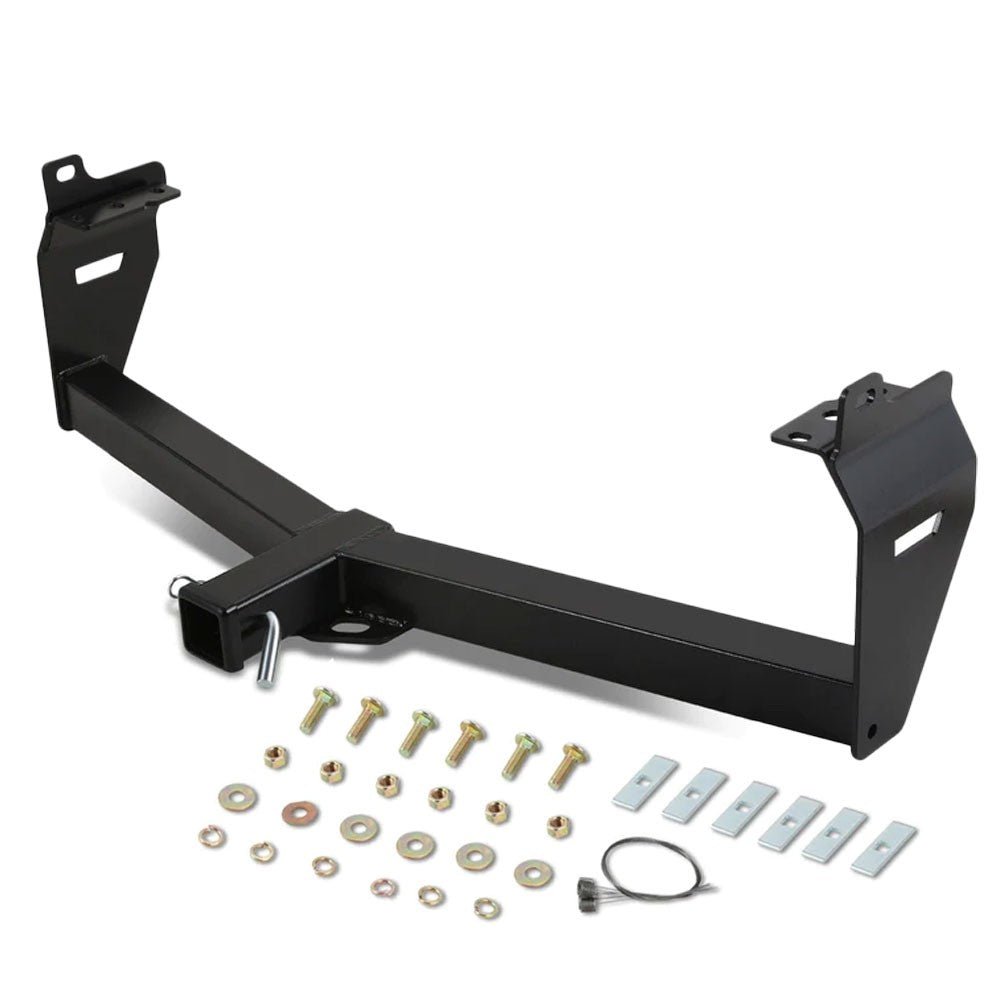
Look for cracks at the welds, rust deeper than surface bloom, and a ball with the correct rating stamped and readable. Torque the ball nut to specification, not to feel. A worn ball with a shine groove is due, they cost little and carry everything.
2. Wiring that actually works
Plug in a tester before the trailer arrives, brake lights, turn signals, running lights and the brake controller output. Corroded connectors are the number one cause of the classic no lights argument at the ramp, and dielectric grease is the cheap cure from our Electrical & Lighting department.
3. Brakes with margin
Pads below half on a solo commuter are pads below enough for hauling in the hills. Fit the semi metallic compound if the route includes grades, and service the trailer’s own brakes, the forgotten half of the system.
4. Transmission fluid on schedule
Heat kills transmissions and hauling makes heat. If the fluid service is due within the season, do it before the season, and confirm the factory cooler lines are dry at the fittings.
5. Cooling system stress test
The system that holds 210 in traffic will meet 230 on a July grade with a trailer. Pressure test, inspect hoses from the Hoses & Fittings department, and verify the fan clutch or electric fans engage, before the mountain does the testing.
6. Tires on both vehicles
Placard pressures cold, load range respected, and date codes read on the trailer side, where tires age out sitting still. A blown trailer tire at speed writes off fenders and afternoons.
7. Suspension attitude
A rear end that sags on the driveway will point the headlights at the trees at night. Worn shocks and tired springs from our Suspension & Steering department show up as float and sway once loaded, both fixable in a weekend.
8. Mirrors and sight lines
If the trailer is wider than the truck, extended tow mirrors are a legal requirement in many states and a sanity requirement in all of them.
9. Lighting the road ahead
Loaded rear ends lift noses and blind oncoming traffic. Aim the headlights loaded, and if the truck still runs tired halogens, the upgrade case is in our LED guide in the guides hub.
10. The paper and hardware kit
Registration, insurance, spare hitch pin, chocks, a torque wrench and gloves live in the truck for the season. Safety chains cross under the coupler, rated shackles only. The NHTSA publishes trailer safety basics that are worth the ten minute read each spring.
Loading the trailer properly
Sixty percent of cargo weight forward of the trailer axle, heavy items low and strapped, and tongue weight verified rather than estimated. Sway begins as a loading problem long before it becomes a driving problem, and a weight distribution hitch with sway control civilizes anything near the top of the truck’s range.

The first mile and the habits that keep towing boring
Every towing trip starts with the same first mile ritual: pull away, brake gently at low speed to feel the controller bite, check mirrors for anything shifting, then stop after a few miles and walk the rig, touching hubs for heat and re-checking straps. Bearings and couplers announce problems early to hands, long before gauges notice.
On the road, towing rewards patience math. Following distance doubles, downgrades are taken in a lower gear rather than on the brake pedal, and crosswind days are driven slower or not at all. Sway that starts is answered with the trailer brake controller by hand, never the truck brakes, which is a skill worth practicing once in an empty lot.
End of season, the towing gear earns ten minutes: grease the ball, oil the coupler latch, spray the connector with contact cleaner and store the weight distribution bars indoors. Spring starts with gear that works because fall ended that way.
The short version
Verify the three weights, inspect hitch, wiring, brakes, fluids, cooling, tires and suspension, then load nose heavy and low. Do the list once in spring and every hookup after is ten minutes. Gear up in the Running Boards & Towing department, and send your setup questions through the contact page for free advice from the fitment desk.
Towing FAQ
How do I find my towing capacity?
In the owner manual and on the door jamb certification label, for your exact cab, bed, engine and axle combination. The number in the sales brochure is for one specific configuration that may not be yours.
What is tongue weight and why does it matter?
The downward force the trailer coupler puts on the hitch, ideally 10 to 15 percent of loaded trailer weight. Too little causes sway, too much overloads the rear axle. A tongue weight scale removes the guessing.
Do I need a brake controller?
For any trailer with electric brakes, yes, and most states require trailer brakes above a weight threshold. Proportional controllers brake smoothly in step with the truck and are worth the small premium.
What should tire pressure be when towing?
The placard tow or full load figure, checked cold, on truck and trailer both. Trailer tires age out before they wear out, so check their date codes each season.
How often should I service a truck that tows?
Follow the severe duty schedule in the manual: shorter oil intervals, transmission fluid service on time, and brake inspections every season. Hauling is the definition of severe duty.