Your alternator is the quiet worker that keeps the battery charged and every circuit fed while the engine runs, and when it starts to fail, the whole vehicle begins whispering about it. This guide covers the 7 alternator warning signs we hear most at PartSmith Co., how to confirm the diagnosis in your driveway, and how to choose the right replacement from our Electrical & Lighting department.
What the alternator actually does
The engine spins the charging unit by belt, converting that motion into the electricity that recharges the battery and powers ignition, lights, pumps and screens. A car does not run on its battery; it runs on the charging system, with the battery as the buffer. That is why charging failures strand vehicles faster than most people expect.
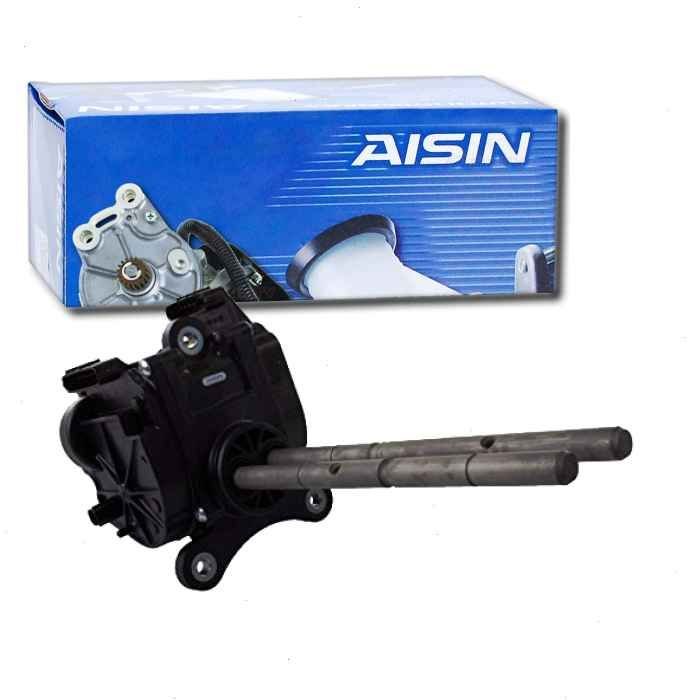
The 7 alternator warning signs
1. The battery light flickers
The little battery icon on the dash means charging trouble, not just battery trouble. Flickering at idle that clears with revs is the classic early sign of worn brushes or a tired regulator inside the housing.
2. Dim or pulsing headlights
Lights that dim at idle and brighten with engine speed show a unit that can no longer hold voltage under load. Watch for it at stop lights with the blower and defroster running.
3. Slow cranking with a good battery
A battery that keeps testing fine but keeps arriving flat is being undercharged. Replacing the battery again treats the symptom and spends the fix twice.
4. Whining or grinding from the front of the engine
A failing bearing inside the unit whines with engine speed. A loose belt squeals at startup instead. Both deserve attention, and the bearing version means replacement time.
5. Burning rubber or hot electrical smells
A dragging pulley overheats the belt, and cooked windings smell like hot wire insulation. Either smell near the charging unit is a stop and inspect moment.
6. Electronics acting possessed
Screens rebooting, wipers slowing, warning lights carnival flashing: modern electronics hate low voltage, and a dying charging system delivers exactly that.
7. The voltage test says so
A ten dollar multimeter settles it. Healthy charging reads roughly 13.8 to 14.6 volts across the battery with the engine running, and drops into the 12s when charging gives up. Test at idle with lights and blower on for the honest answer.
Confirming it in the driveway
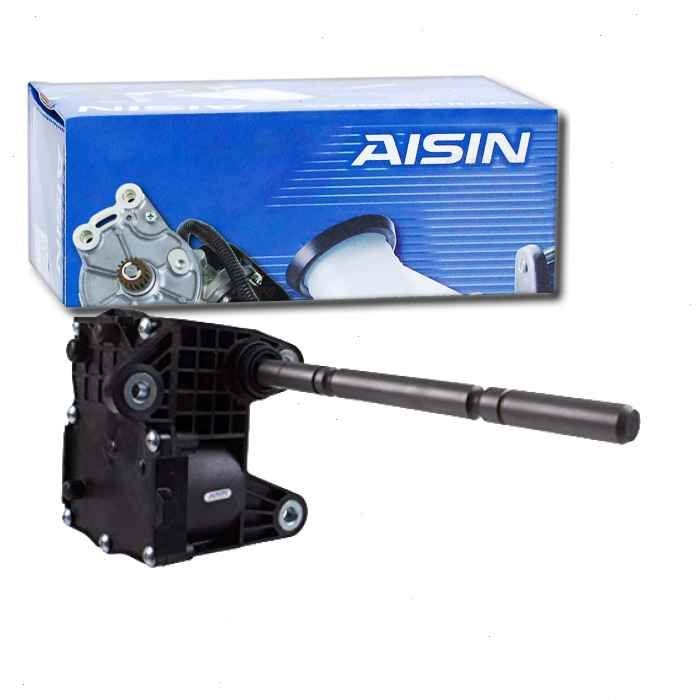
Check the belt first, cracked or glazed belts mimic charging failure. Clean and tighten the battery terminals and the main ground strap, since corrosion steals volts before they arrive. Then run the multimeter test above. If output stays low with a good belt and clean connections, the unit is done, and no additive or wish repairs windings.
Choosing the right replacement
Match three things: the exact vehicle application, the amperage rating, and the plug style. Trucks with winches, sound systems or plows should buy the higher output option listed for their platform. Every charging unit listing in our department states amperage and connector type, and the fitment desk will confirm against your VIN through the contact page before it ships, free.
While the old unit is out, inspect the charging cable ends, replace a tired belt from Tools & Accessories, and load test the battery, because a weak battery will bully a brand new unit into early failure. Neutral charging system basics are covered in the Car Care Council tips if you want the background reading.
The replacement, honestly scoped
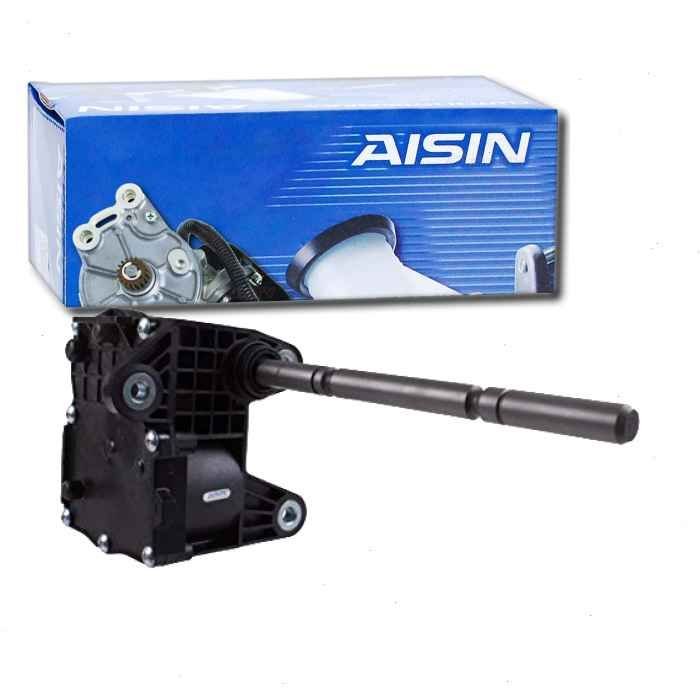
On most trucks and sedans the unit sits on top of the engine: release belt tension, unplug two connections, three bolts, done in under an hour. Some transverse V6 layouts bury the unit and turn the same job into knuckle yoga, which is worth knowing before Saturday morning. Disconnect the negative battery terminal first, always, and torque the main charge cable properly on reassembly.
The short version
Flickering battery light, dim idle lights, repeat flat batteries and a sub 13 volt reading mean the charging system is retiring. Confirm with a belt check and a multimeter, buy the correct amperage for your exact vehicle, and refresh the belt and grounds during the swap. Shop tested units in the Electrical & Lighting department or keep reading in the guides hub.
Alternator FAQ
How long does an alternator last?
Typically 80,000 to 150,000 miles. Heat, accessory load and short trip driving shorten the life, and a failing battery can overwork the unit into an early grave.
Can I drive with a failing alternator?
Only briefly. Once charging output drops, the vehicle runs on battery reserve alone, which is minutes to an hour depending on load. Turn off everything nonessential and head straight home or to the shop.
Is it the battery or the alternator?
A healthy system shows roughly 13.8 to 14.6 volts at idle with the engine running. Below that with a charged battery points at the alternator. A battery that tests weak after a full charge is its own answer.
Should I replace the belt at the same time?
Yes if it shows cracks or glazing. The belt drives the alternator, the labor overlaps completely, and a fresh belt protects the new unit.
Why does my new alternator keep failing?
Usually a weak battery pulling maximum charge current continuously, corroded ground straps, or a seized pulley adding load. Test the battery and clean the grounds with every replacement.
Hi, this is a comment.
To get started with moderating, editing, and deleting comments, please visit the Comments screen in the dashboard.
Commenter avatars come from Gravatar.