Shocks and struts wear out slowly, so the decline is easy to miss until the ride feels loose or unsafe. Catching the signs early keeps your vehicle stable, protects your tires, and shortens stopping distances.
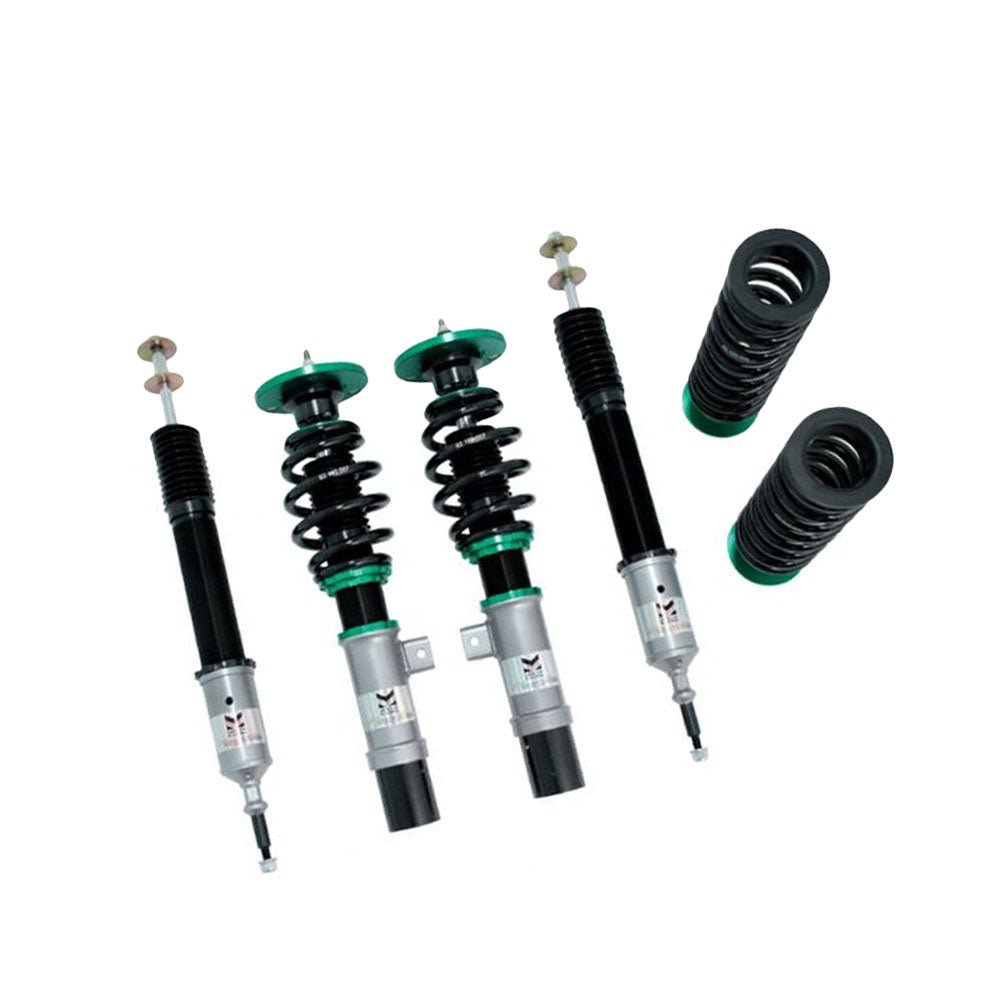
What struts and shocks do
Shocks and struts control the motion of your suspension, keeping the tires planted and the body settled over bumps. A strut is a structural part of the suspension, while a shock is a damper only. When either wears out, ride quality and safety suffer.
1. A bouncy, floaty ride
If your vehicle keeps bouncing after a bump or feels floaty over dips, the dampers are no longer controlling motion. Push down hard on a corner and release, it should settle in one rebound, not several.
2. Nose diving under braking
Worn front struts let the nose dip sharply when you brake and the tail squat under acceleration. That weight transfer lengthens stopping distances and unsettles the car when you need control.
3. Uneven or cupped tire wear
When dampers cannot keep the tire planted, the tread wears in scalloped or cupped patches. Irregular wear with a rougher ride points to worn shocks or struts.
4 and 5. Clunking, leaks, or high mileage
A clunk over bumps can mean a worn strut mount or damper, and an oily film on the shock body means the seal has failed. Even without a leak, many are worn by 50,000 to 100,000 miles. Browse replacements in our Suspension and Steering department.
Restore a safe, controlled ride. Shop shocks, struts, and loaded assemblies for your vehicle.
Frequently asked questions
How long do shocks and struts last?
Should I replace them in pairs?
Can worn struts cause uneven tire wear?
The bounce test and beyond
The classic driveway check still works: push down hard on each corner and release. One rebound and settle is healthy; a corner that keeps nodding has dampers past their best. Add the visual check, a film of oil on the strut body or shock shaft means the seal has let go, and the countdown to failed damping has started.
Tires tell the same story in slow motion. Cupped, scalloped wear patterns come from wheels hopping on worn dampers, and no alignment or rotation cures it until the struts and shocks underneath are renewed from the Suspension & Steering department.
Why worn dampers cost more than comfort
Dampers keep the tire pressed to the road. Worn units stretch braking distances meaningfully in the wet, let the nose dive under hard stops, and turn crosswind days into constant corrections. Loaded trucks feel it double, which is why our towing prep checklist puts suspension attitude on the list before every season.
Replace in axle pairs, consider complete assemblies that include springs and mounts for one bolt in visit, and have the alignment checked after strut work. Budget guidance and the full symptom walkthrough live in this guide’s sibling posts in the guides hub, and the Car Care Council covers inspection intervals worth adopting.


Quick recap: worn struts and shocks show up as nose dive, endless bounce, cupped tires, wander and visible oil film. Catch any two of those together and the struts and shocks are asking for retirement, ideally before towing season loads the suspension further.
Frequently asked questions
How long do struts and shocks last?
Struts and shocks last fifty to one hundred thousand miles depending on roads and loads. Gravel, potholes and towing sit at the short end of that range.
Can I replace just one strut?
Replace in axle pairs. A single new damper against a worn partner brakes and corners unevenly, which defeats the repair.
Do I need an alignment after struts?
Yes on strut equipped axles, since the strut locates the wheel. Shocks that do not locate the wheel usually do not require one.
Are complete strut assemblies worth it?
For most owners yes. For struts and shocks alike, assemblies arrive with spring and mount installed, removing the spring compressor step and cutting the job to basic bolts.