Every tire size is a sentence written in code on the sidewall, and once you can read it, buying tires stops being guesswork. This guide decodes the 4 parts of a tire size, explains load and speed ratings, and covers the rules for changing sizes safely, from the team behind the Wheels & Tires department at PartSmith Co.
Reading a tire size in ten seconds
Take 265/70R17 115T. The first number, 265, is the section width in millimeters. The second, 70, is the aspect ratio, sidewall height as a percentage of width. R17 means radial construction on a 17 inch wheel. The 115T at the end is the load index and speed rating pair, the part most buyers skip and should not.
That is the whole language. Every passenger and light truck tire sold in the USA speaks it, and the correct tire size for your vehicle is printed on the placard in the driver door jamb.
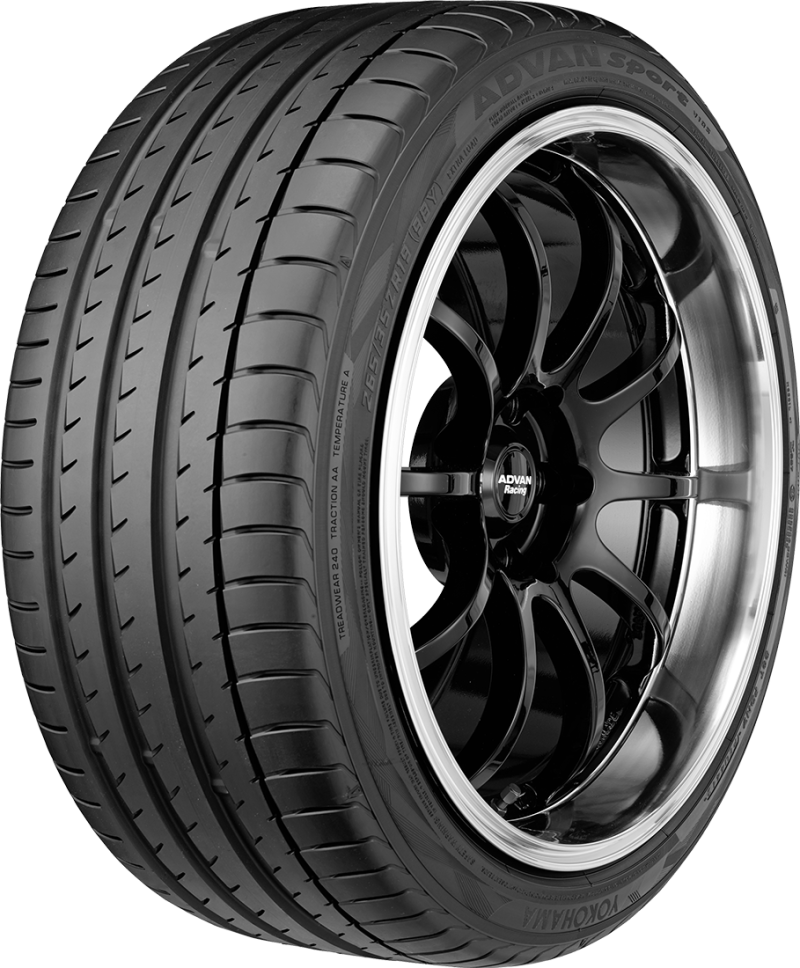
The 4 parts that matter
1. Width: grip versus economy
Wider tires put more rubber on the road, which helps dry grip and looks the part on a truck. The costs are fuel economy, hydroplaning resistance and winter bite, where narrower tires actually win by cutting through to the surface. Fleet buyers stay at placard width for a reason.
2. Aspect ratio: comfort versus response
Tall sidewalls, 65 and up, flex over potholes and ride quietly. Short sidewalls, 45 and down, sharpen steering and protect nothing, which is why low profile setups meet more bent wheels. Where you drive should pick this number more than how the wheel photo looks.
3. Diameter: match the wheel, mind the total
The wheel and tire diameters must match exactly, a 17 inch tire goes on a 17 inch wheel, no exceptions. When upsizing wheels, the overall rolling diameter stays near stock by pairing bigger wheels with shorter sidewalls, which is the plus sizing rule that keeps speedometers honest.
4. Load index and speed rating: the safety pair
The load index must meet or beat the placard, full stop, and towing rigs should respect the higher of the pairs listed. Speed ratings also set how the tire handles heat, so a T rated tire is not the twin of an H rated one even at legal speeds. The NHTSA tire safety guide covers both marks in depth.

Changing tire size: the 3 percent rule
Keep the new overall diameter within about 3 percent of original and the speedometer, odometer, transmission shift points and stability control all stay calibrated. Go beyond that for a lifted truck build and plan on a speedometer recalibration plus clearance checks at full lock and full compression. Rubbing discovered on the highway is a poor way to finish an upgrade.
Width changes bring their own rule: the wheel’s width range must support the tire, and fenders must clear. Every listing in our Wheels & Tires department states diameter, width, offset and load rating together, and the fitment desk will check any tire size question against your exact vehicle through the contact page, free.
LT, P and the letters up front
A P prefix marks a passenger tire, LT marks light truck construction with stiffer casings for load and towing, and no prefix usually means a European metric tire. Swapping a truck’s LT tires for passenger tires saves money at the register and spends it in sway and squirm under load. Match the construction type the placard calls for, especially on anything that works for a living.

Age, wear and when size knowledge pays
The DOT date code on the sidewall gives the build week and year, and tires beyond six years deserve inspection regardless of tread. Uneven wear patterns point at alignment or pressure problems that new rubber alone will not fix, which is worth sorting in our Suspension & Steering department before the fresh set repeats the pattern. Rotate on schedule, keep pressures at the placard number, and a correct tire size choice rewards you for forty thousand miles.
Winter, all season or all terrain in the same tire size
The same tire size comes in personalities. All season rubber covers most American driving with quiet manners and long wear. Dedicated winter compounds stay soft below freezing and stop dramatically shorter on ice, worth a second set of wheels in snow states. All terrain treads trade a little pavement hush for bite off road, the honest choice for trucks that leave gravel twice a month.
Whatever the personality, keep the tire size consistent with the placard rules above, and remember tread categories never change the load index requirement. A winter tire that carries less than the placard number is the wrong tire in any month.
Last habit worth keeping: a five dollar tread depth gauge in the glovebox. Measure at each rotation, inside, center and outside grooves, because a tire wearing unevenly is telling you about pressure or alignment while there is still time to fix the cause cheaply.
The short version
Read the placard, match load index, keep diameter within 3 percent, and choose width and sidewall for how you actually drive. That is tire size mastery in one paragraph. Browse the full range in the Wheels & Tires department or keep reading in the guides hub.
Tire size FAQ
What does 265/70R17 actually mean?
The tire is 265 millimeters wide, the sidewall is 70 percent of that width, and it fits a 17 inch wheel. The R means radial construction, which covers nearly every passenger tire sold today.
Can I change my tire size?
Within limits. Staying within about 3 percent of the original overall diameter keeps the speedometer and stability systems accurate. Bigger changes need a recalibration and clearance checks at full steering lock.
What is load index and why does it matter?
The load index is the weight each tire may carry. Never fit tires with a lower index than the factory specification, especially on trucks that tow or haul, because overloaded tires fail hot and fast.
Do all four tires need the same size?
On all wheel drive vehicles, yes, and close in wear too, since diameter differences strain the drivetrain. Some rear drive performance cars run staggered setups by design, wider in the rear.
Where do I find the correct tire size for my vehicle?
On the placard inside the driver door jamb, not on the tire currently fitted, since a previous owner may have changed sizes. The placard also lists the correct pressures for the factory size.