Buying a used engine is the biggest single parts decision most owners ever make, and it is completely manageable with the right checklist. This used engine buying guide covers the 8 checks that separate a reliable runner from a freight bill you regret, drawn from how PartSmith Co. tests and documents every unit in our Engines & Motors department.
When a used engine is the right call
The math is simple. When a repair estimate passes roughly half the cost of a tested used engine installed, replacement usually wins, because you reset the condition of the whole assembly instead of fixing one failure inside a tired one. Spun bearings, cracked blocks, dropped valves and overheating damage almost always land on the replace side of that line.
A used engine also wins on time. A documented unit arrives in days, while a machine shop rebuild is measured in weeks, which matters when the vehicle is how you get to work.

The 8 checks before you pay
1. Compression numbers, in writing
This is the health certificate. Ask for the actual figures per cylinder, not the phrase runs great. Healthy engines show even numbers across cylinders, and every used engine we list carries its compression results right on the page.
2. Mileage with evidence
Mileage claims need support: donor vehicle odometer photos, title records or auction data. Condition beats mileage, but verified mileage tells you where the engine sits in its service life for timing components and seals.
3. Exact engine code match
Engines change within a generation, sometimes mid year. Match the engine code, not just the displacement, and check whether your vehicle’s emissions equipment, sensors and manifolds carry over. Send your VIN through the contact page and we will confirm compatibility before you commit to freight.
4. What is included on the long block
Listings differ on what stays attached: intake, injectors, coils, pumps, brackets. Neither more nor less is automatically better, but the listing must say, because missing accessories turn into a week of parts orders mid swap.
5. Storage time and condition
An engine that sat uncovered for two years needs more caution than one pulled last month. Look for capped openings, drained fluids and indoor storage. Surface dust is cosmetic; rust inside the intake ports is not.
6. Warranty terms you can read
A stated warranty with clear conditions signals a seller who expects the engine to live. Read what the coverage requires, typically new gaskets, proper break in and documented oil pressure, and keep your receipts.
7. Freight arrangements
A used engine travels on a pallet with a liftgate truck for residential delivery. Confirm who arranges freight, what delivery type is included and the crate inspection procedure. Our shipping page spells out the checklist that protects your claim rights.
8. The seller’s answers
Ask one technical question and listen. A seller who tests engines answers with numbers and specifics. A seller who flips pallets answers with adjectives. You learn more in that exchange than from any photo set.
Install day: spend small to protect big
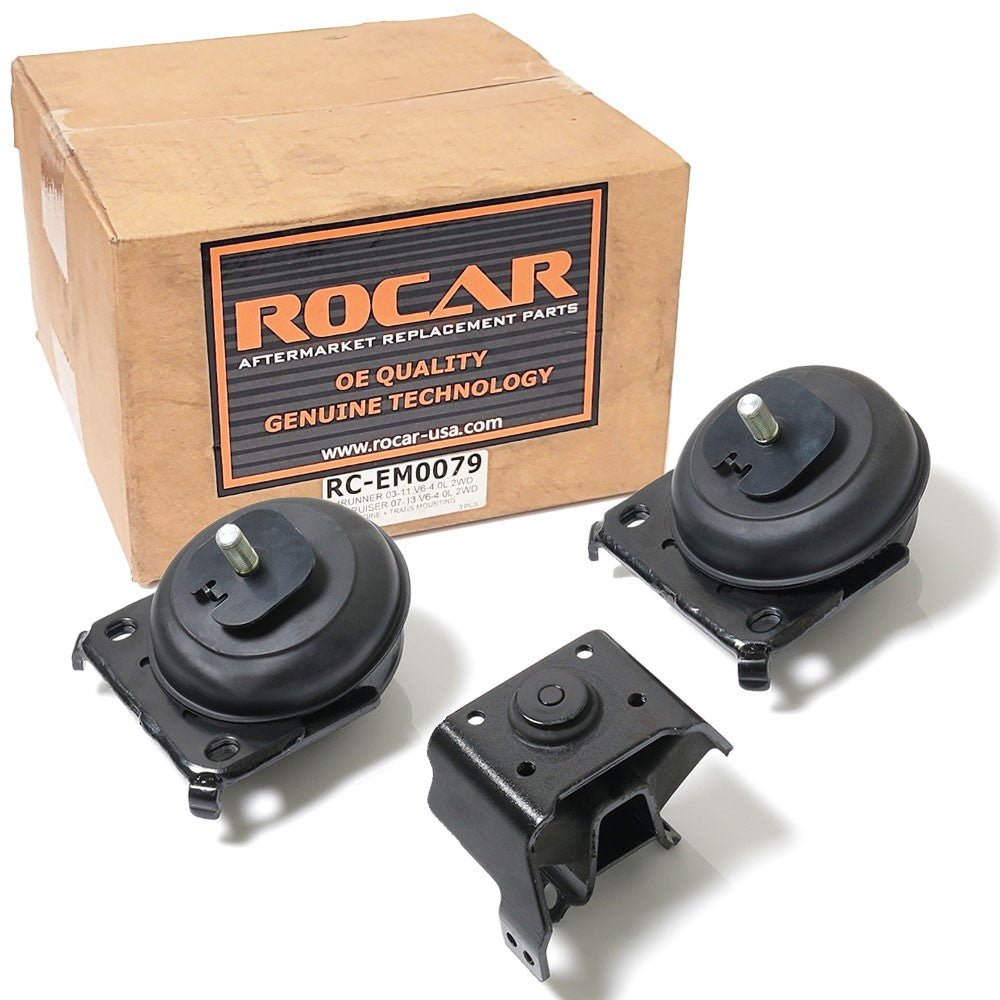
While the engine is out, replace the rear main seal, valve cover gaskets, water pump, thermostat and belts, and fit fresh engine mounts so the new unit does not inherit the old vibrations. Flush the cooling system and, on automatic vehicles, consider the transmission cooler lines. Every one of these parts is minutes of labor with the bay empty and hours after.
Follow the pre start checklist that ships with the engine: prime the oil system, verify coolant fill and bleed, check for fuel and vacuum leaks, then let it reach temperature while you watch pressure and temperature like a hawk. Most early failures on swapped engines trace to skipped first day steps, not the engine itself. The fueleconomy.gov maintenance guidance covers the service intervals that keep the fresh unit healthy afterward.
Used versus remanufactured versus rebuilt
A used engine is a running assembly pulled from a donor, tested and sold as is, the value pick for daily drivers. Remanufactured units are machined back to specification with new wear parts and cost accordingly, right for keepers you plan to run another decade. Rebuilt is the vaguest term of the three, meaning whatever the rebuilder chose to touch, so it demands the sharpest questions from this guide.
Whichever route you take, budget for the supporting cast: mounts, seals, fluids and hoses from our Hoses & Fittings department, and the electrical connectors that crumble on removal from Electrical & Lighting.
What a used engine costs by lane
Common four cylinder units from high volume sedans are the affordable end of the market, often less than a set of premium wheels. V6 and truck V8 assemblies climb from there with demand, and low mileage units for late model trucks command the strongest prices because whole fleets hunt the same donors. European and performance engines occupy their own price world, driven by scarcity more than complexity.
Freight adds a fixed cost that favors buying right the first time, one shipment instead of two. Budget the install kit alongside the engine, seals, mounts, fluids and the water pump, which together usually cost less than a tenth of the engine and protect all of it.
The most expensive used engine is the untested bargain. A few hundred saved on a unit with no compression numbers routinely converts into a second engine, a second freight bill and a second weekend, which is the whole argument for documentation in one sentence.
The short version
Demand compression numbers, verify the engine code against your VIN, read the warranty, and plan freight like the four hundred pound delivery it is. Replace the cheap seals while the bay is open and follow the first start checklist to the letter. Do that and a used engine is the best value in this hobby. Browse tested units in the Engines & Motors department or read more in the guides hub.
Used engine FAQ
How many miles is too many for a used engine?
Judge condition over mileage. A 120,000 mile engine with documented compression beats an 80,000 mile mystery. As a rule of thumb, prefer units under 100,000 miles with test numbers, and price discounts for anything beyond.
What does a compression test prove?
It measures how well each cylinder seals, which is the core health of an engine. Even numbers across all cylinders indicate healthy rings and valves. A single low cylinder is a warning regardless of the average.
Does a used engine come with a warranty?
Reputable sellers state a parts warranty and its conditions on the listing. Ours ship with the warranty terms and the compression documentation, and following the pre start checklist keeps the coverage intact.
What should I replace before installing?
Rear main seal, valve cover gaskets, water pump, thermostat, belts and engine mounts. All are cheap with the engine out and expensive after it is in.
How does a used engine ship?
On a pallet by freight carrier, fluids drained and openings capped. Inspect the crate before signing and note any damage on the delivery receipt to protect the claim.